Ethereum 2.0: Staking
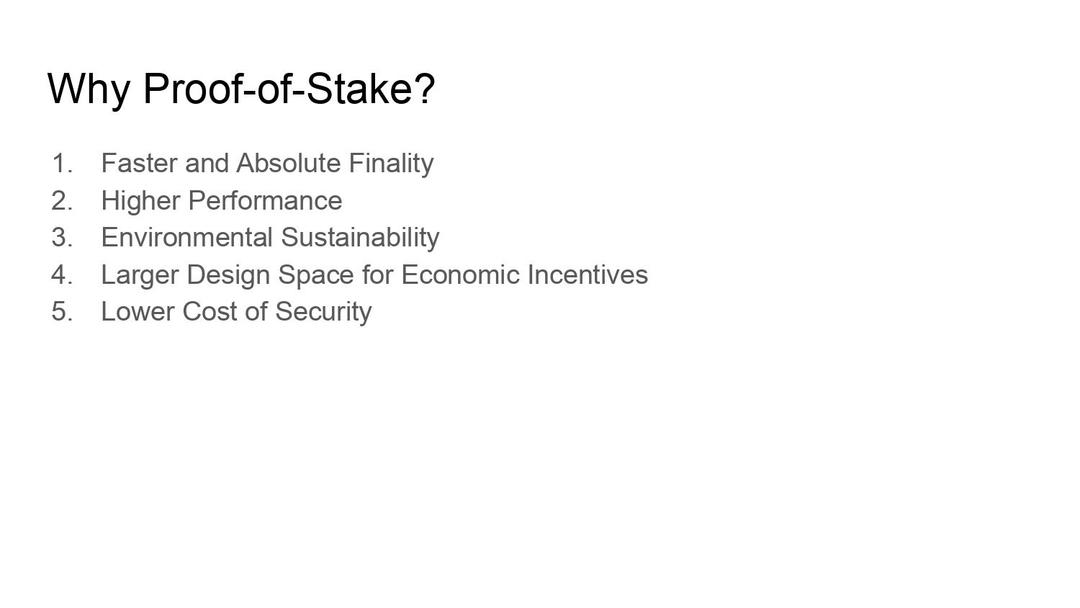
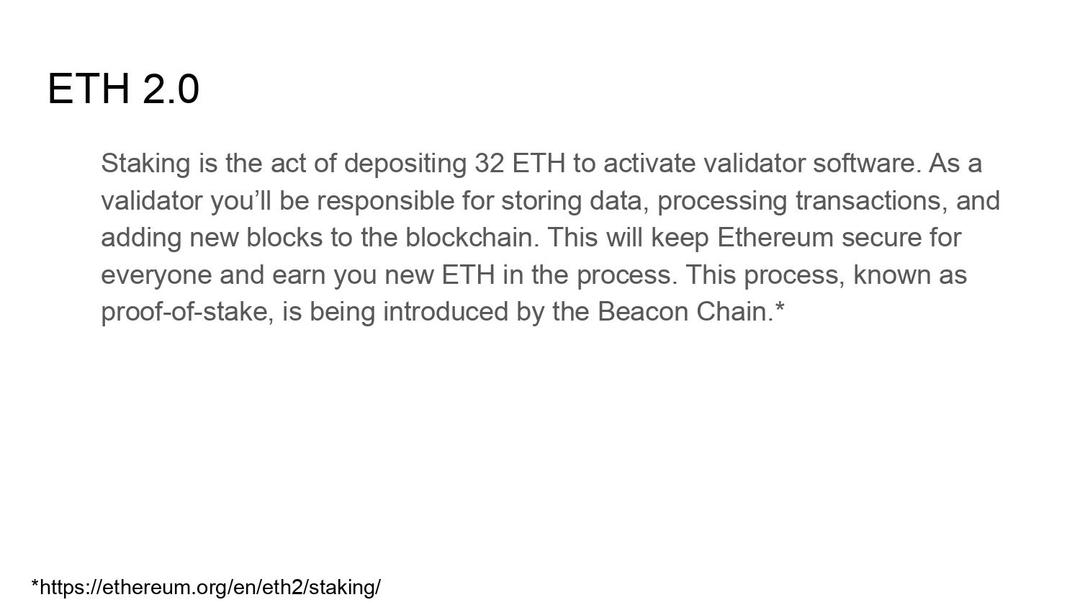
Staking can be seen as purchasing permission to work. In the context of Ethereum 2.0, this "work" refers to validating transactions and producing blocks. If a validator performs their job correctly and honestly, the protocol rewards them. If not, the amount they locked in the protocol to gain the right to validate is automatically reduced. This carrot-and-stick system incentivizes validators to act honestly, making any attempts at manipulation economically unprofitable.
- 🔹 What is Ethereum 2.0 staking and how does it work?
- 🔹 Why Ethereum 2.0 is not yet fully decentralized
- 🔹 Pros and cons of liquid staking
- 🔹 How to minimize risks of fund loss in staking
- 🔹 How Flashbots and MEV services work
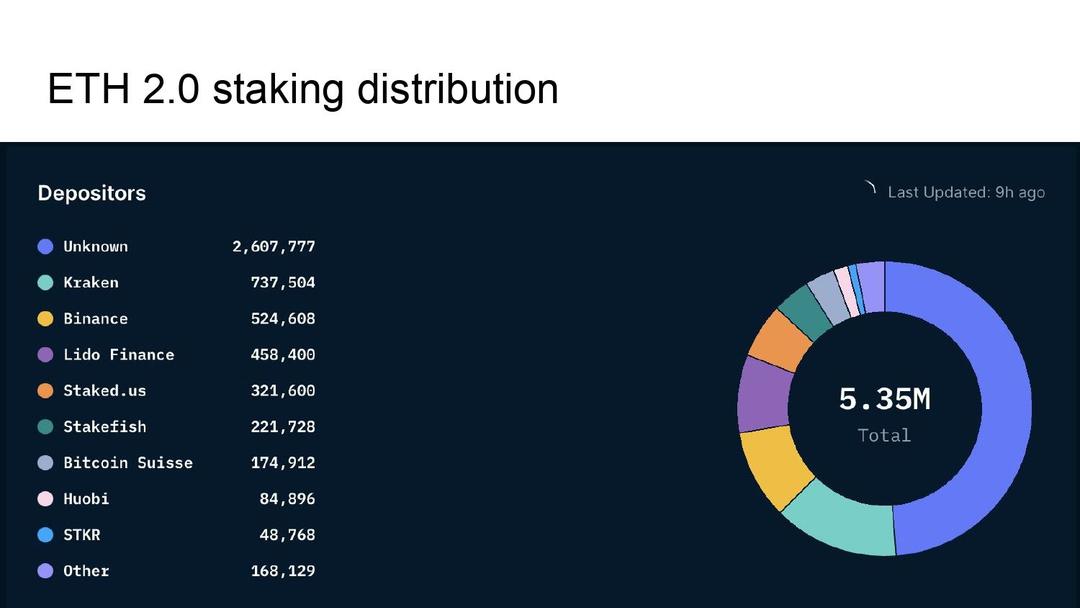
- 🔹 Centralization issues using major exchanges (Kraken, Binance) as examples
- 🔹 Secret sharing validation — a new approach to staking security
Tags